Laya on AWS Lambda - A Curiosity-Driven Experiment with a Decision Model


· 8 min read
Manu Mishra
Distinguished Solutions Architect, Author & Researcher in AI & Cloud

Laya on AWS Lambda

Note: This is a curiosity-driven experiment, not a production recommendation. Cold starts are long, the ARM64 path doesn't work, and confidence scores aren't calibrated. For real workloads, look at Amazon SageMaker, Amazon Bedrock, or a warm, right-sized container service.

1. The idea​

First I ran a 1.58-bit LLM on Lambda. Then an embedding model. Both worked, with the usual serverless caveats. That left one more kind of model I was curious about: one that doesn't generate text or vectors, but makes a decision.

Laya is exactly that. It's an open-weight (Apache-2.0), 421M-parameter model that reads some text, answers a typed question about it, and returns a bounded answer in a single forward pass. Could that run on Lambda, CPU only, with no inference server? Only one way to find out.
Expectation Constructs: The Missing Primitive in Agentic AI

· 6 min read
Manu Mishra
Distinguished Solutions Architect, Author & Researcher in AI & Cloud

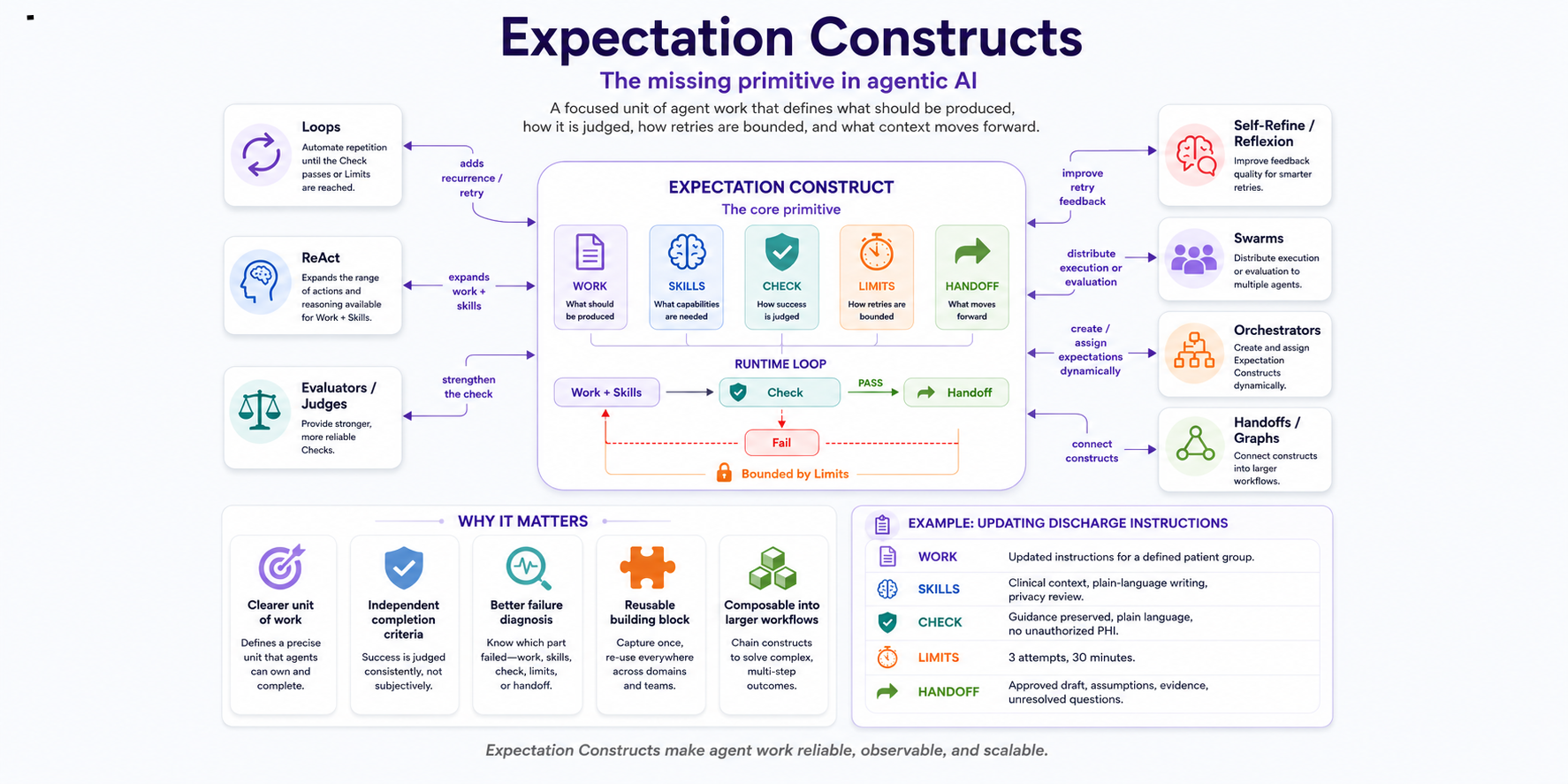
Expectation Constructs

I have built and reviewed enough agentic systems to notice a recurring gap. We have plenty of patterns for how an agent thinks and acts—ReAct, reflection, evaluators, swarms, orchestrators. What we don't have is a clean, shared unit of work that ties those patterns together. When an agent fails, the honest answer to "which part broke?" is usually a shrug. We rerun the whole thing and hope.

That gap is expensive. Without a defined unit of work, you can't judge success consistently, you can't bound retries, and you can't tell whether the agent produced the wrong thing or was judged by the wrong standard. You end up debugging vibes.

Universal Image MCP - One Server, Three AI Image Providers

· 5 min read
Manu Mishra
Distinguished Solutions Architect, Author & Researcher in AI & Cloud

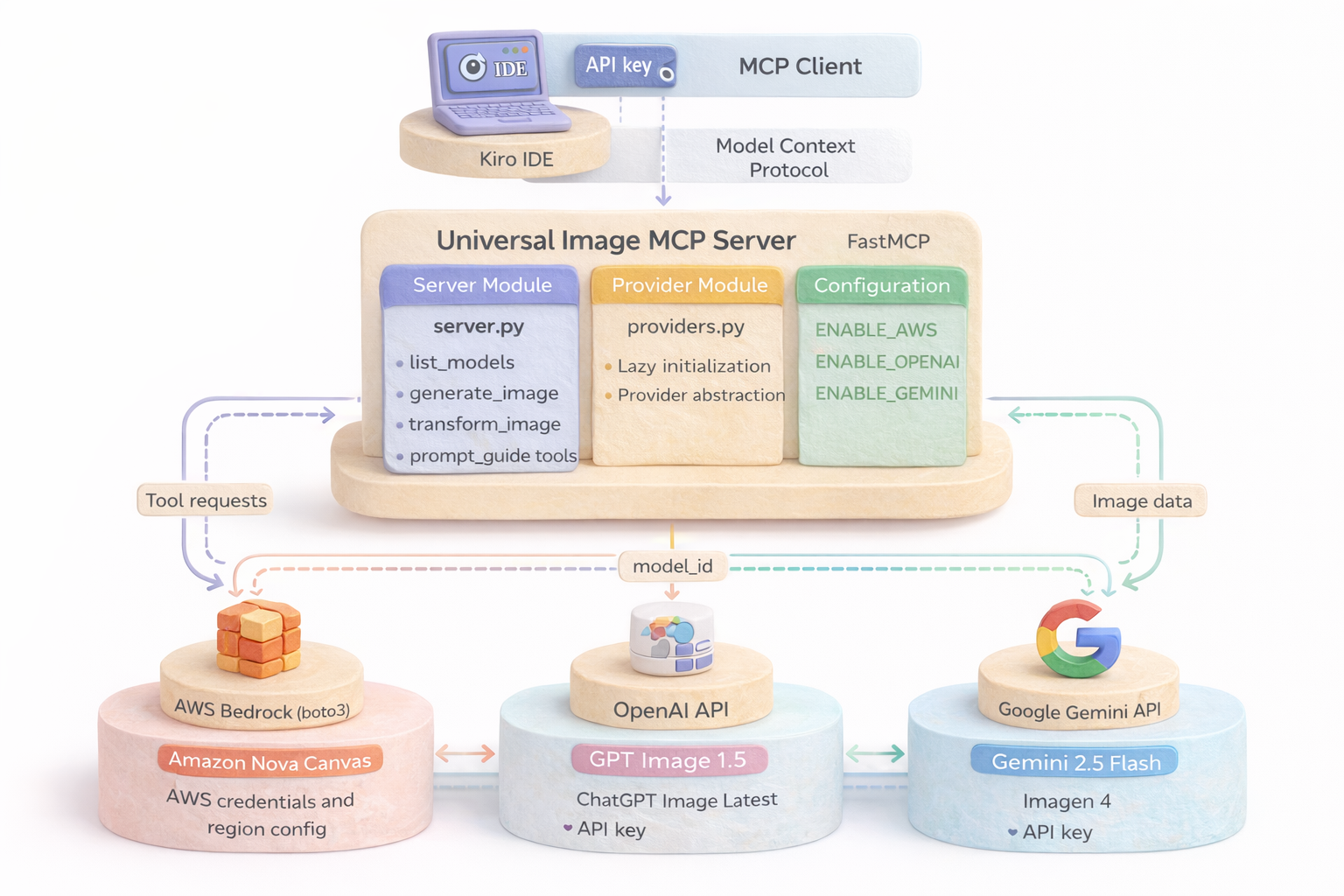
Universal Image MCP Architecture

I use AI-generated images constantly—architecture diagrams, UI mockups, interface concepts, responsive design visualizations. Different models excel at different tasks, and I often compare outputs across providers to pick the best result.

The existing MCP servers I found had a common limitation: hardcoded model IDs. When providers deprecated models, tools broke. When new models launched, they weren't available until someone updated the code.

So I built Universal Image MCP—a server that fetches models dynamically from provider APIs. New models appear automatically. Deprecated ones disappear. No code changes required.

Serverless Streaming Analytics with S3 Tables & Firehose

· 9 min read
Manu Mishra
Distinguished Solutions Architect, Author & Researcher in AI & Cloud

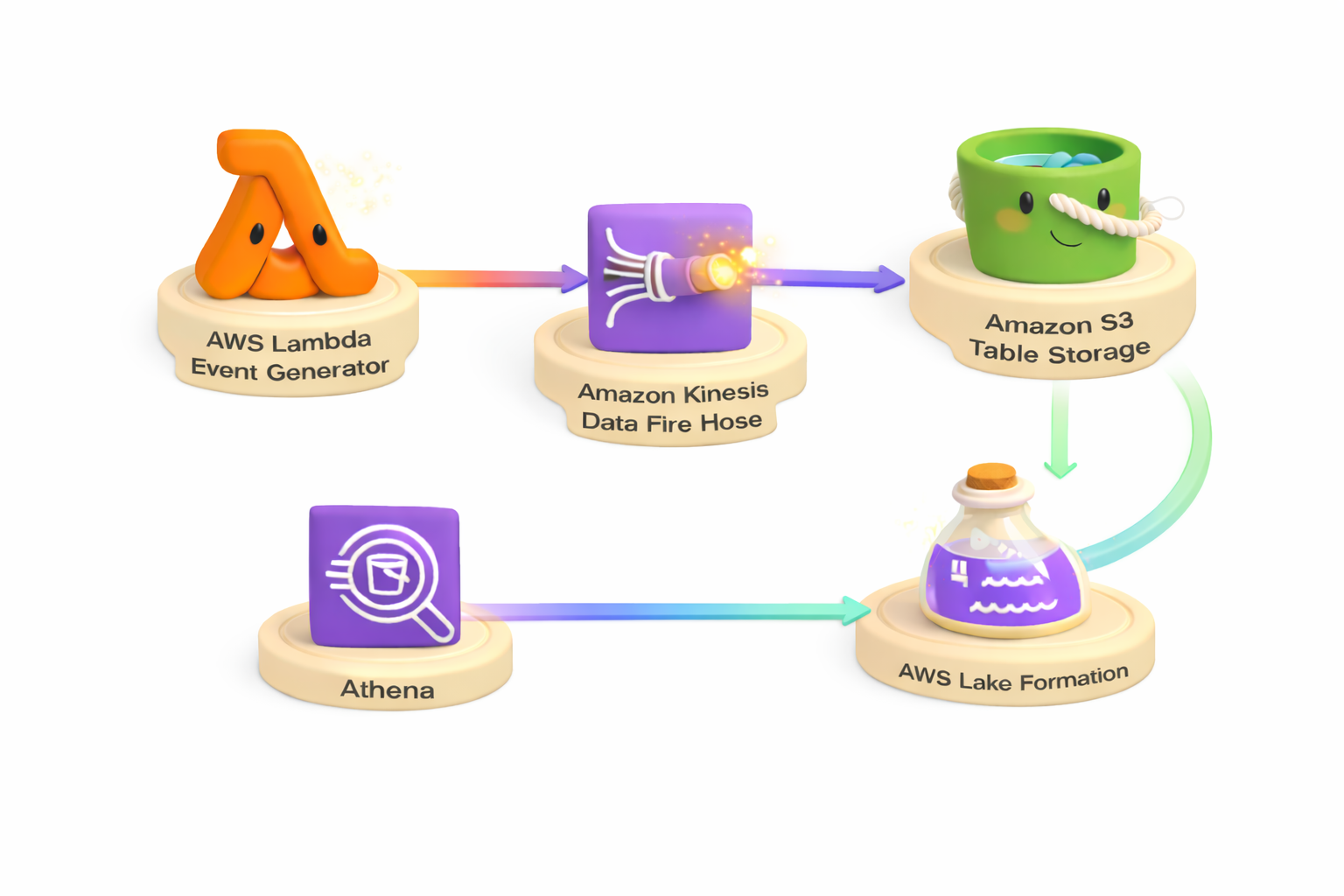
S3 Tables Architecture

Introduction​

Modern businesses need to analyze streaming data in real-time to make faster decisions. Whether it's monitoring IoT sensors, tracking user behavior, or processing financial transactions, the ability to query fresh data immediately is critical. However, building a streaming analytics pipeline traditionally requires managing complex infrastructure and dealing with data format conversions.

This solution shows how to build a serverless real-time streaming analytics pipeline using Amazon S3 Tables and Amazon Kinesis Data Firehose. By combining streaming ingestion with Apache Iceberg's analytics-optimized format, you can query data within minutes of generation—without managing any servers or data transformation jobs.

GitHub Repository: https://github.com/manu-mishra/s3table-firehose-lambda-terraform-demo

Recursive Language Models on AWS with Strands Agents

· 12 min read
Manu Mishra
Distinguished Solutions Architect, Author & Researcher in AI & Cloud

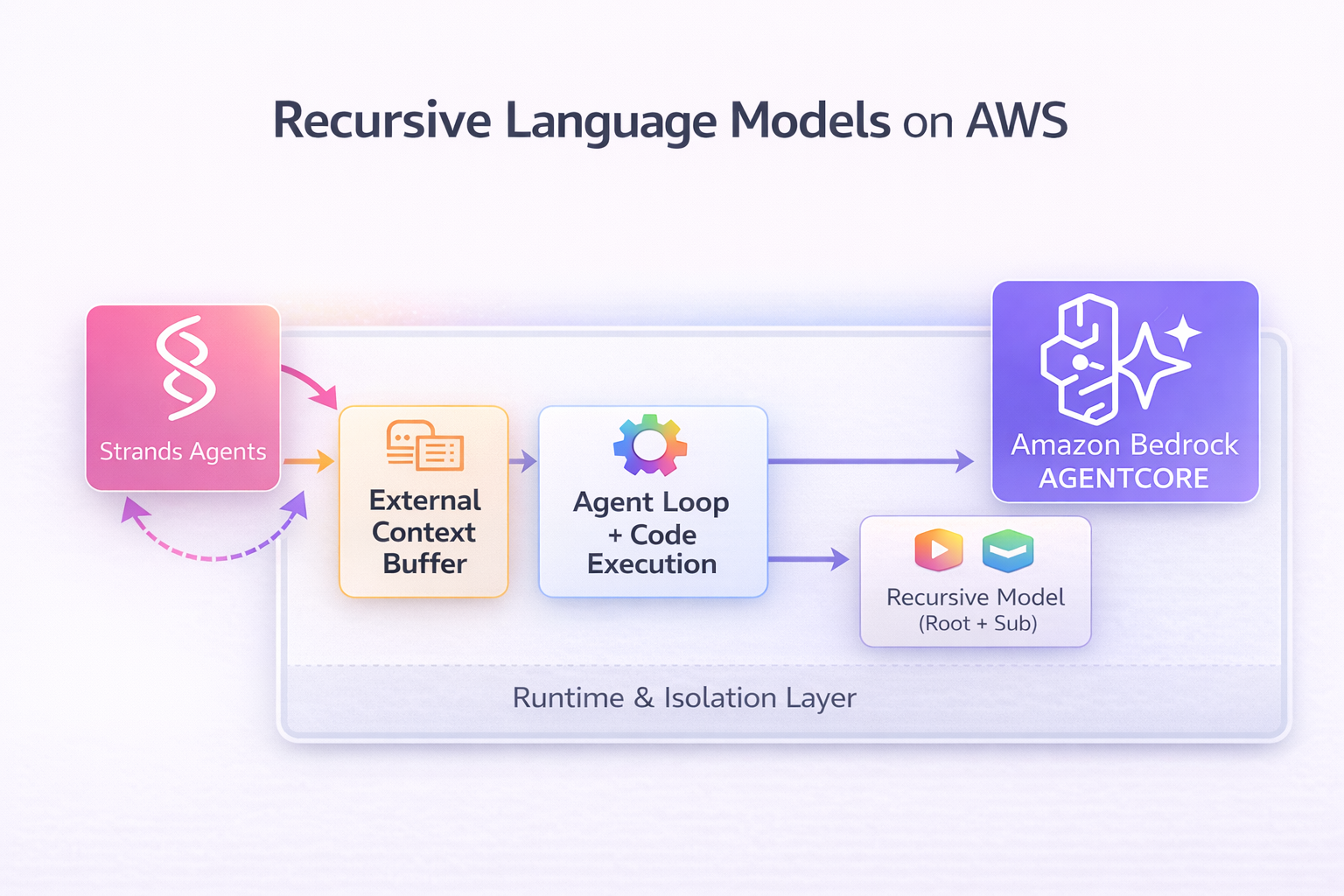
RLM on AWS Architecture

Introduction​

Modern large language models face a fundamental limitation: context windows. While frontier models now reach 1 million tokens (Nova Premier, Claude Sonnet 4.5), workloads analyzing entire codebases, document collections, or multi-hour conversations can easily exceed 10 million tokens—far beyond any single model's capacity.

This post demonstrates Recursive Language Models (RLMs), an inference strategy from MIT CSAIL research that enables scaling to inputs far beyond context windows. What makes this implementation special: Strands Agents and Amazon Bedrock AgentCore reduce what could be weeks of glue code and deployment work to just a few hours of development.